
Disclosure: Thank you to CropLife Canada for financially supporting this blog post so I can continue to do the work of bringing the latest evidence on nutrition and food science to you. All opinions are my own and are genuine.
In Asian households, rice is life. It’s culture and connection to family and home. The word for “rice” in Chinese is synonymous with “food” or “meal.” In Chinese languages, Mandarin, chī fàn (吃饭) or in Cantonese, sik fan – literally means “eat rice,” but functionally means “to eat a meal.” Similar linguistic connections exist in Korean (bap), Japanese (gohan), Thai (khin khao), and Vietnamese (ăn cơm). Rice is deeply woven into our culture, history, economy and identity. The vast majority of East and South East Asians worldwide who find my blog and recipes tell me how meaningful it is that I offer inclusive recipes, recipes that do not immediately dismiss white rice as “unhealthy.” It’s incredibly uplifting and rewarding to me as a registered dietitian and nutritionist dedicated to serving the people of Asian heritage.
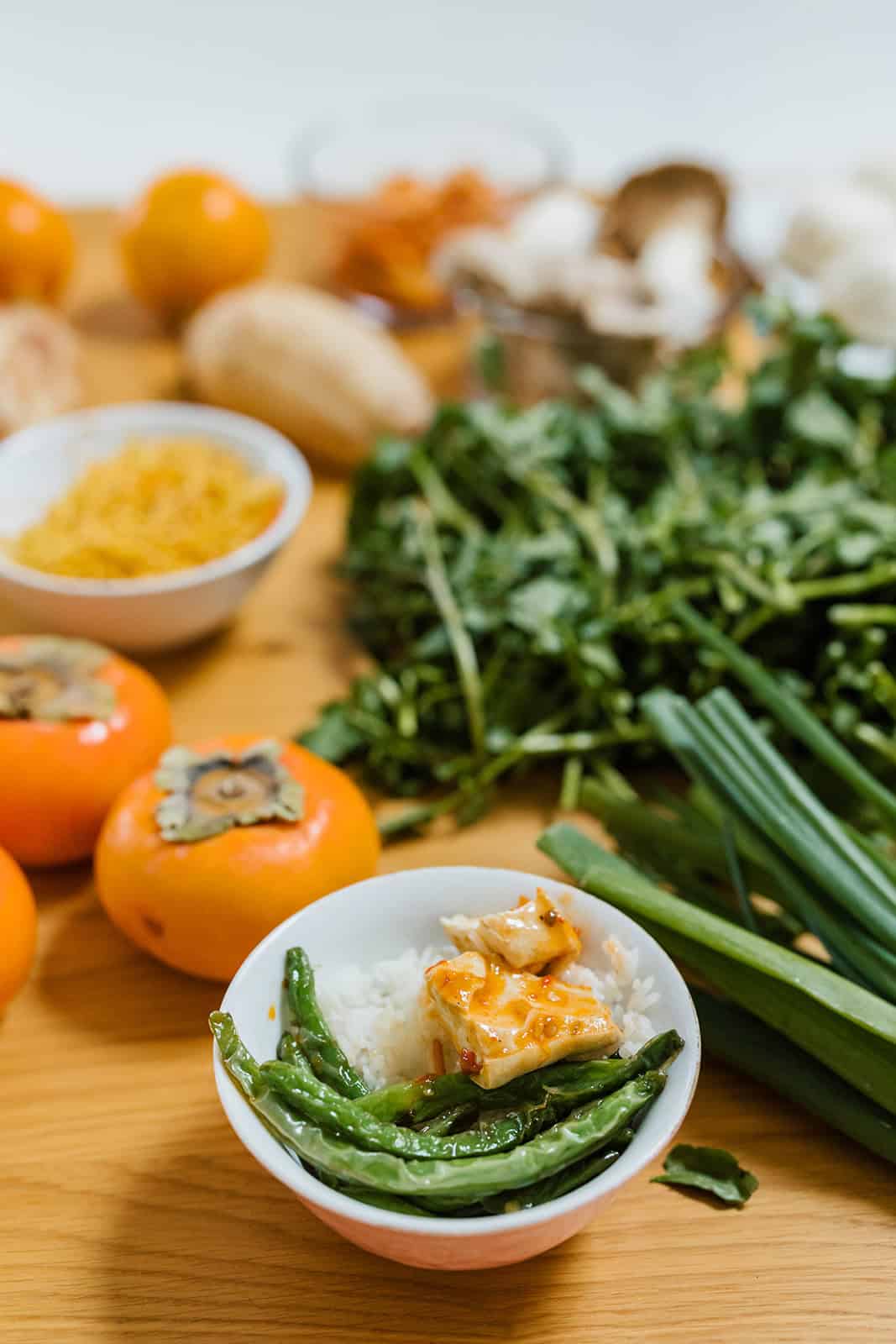
But this is why when there are changes to a cultural food staple, it immediately triggers completely valid protective instincts, even if it’s a change for the greater good.
Let me introduce you to Golden Rice. This is a specific biofortified crop developed to solve a public health crisis: the devastating effects of severe vitamin A deficiency, including blindness. What if I were to tell you that Golden Rice is a genetically modified (GM) crop? Does that create a feeling of fear? Let’s discuss this, because true science literacy requires us to look past fear-based internet headlines. As a registered dietitian, we must separate the biological safety data of GMOs from the complex and valid anxieties of our heritage communities.
GMO Fears

Working as a dietetic intern in the neonatal intensive care unit – NICU
While still a nutrition student, I learned a lot about nutritional biochemistry. I studied the metabolic pathways of how food was broken down into usable cellular energy or storage molecules through chemical digestion, absorption, and cellular respiration. But I knew very little about how food went from farm to plate. In the mid-2010s, I was a dietetic intern placed in a community hospital and I was asked to provide nutrition counseling for a child. In that appointment, the mother said to me,
“My son is very smart – he knows not to eat GMOs.”
My thoughts, (not said out loud): G-M-O’s? What is that?
I smiled and nodded, and wrote G-M-O in my notebook. After the appointment, I hurried back to the office and typed into Google, “G-M-O.” Those three letters opened up my eyes to a billion search results telling me about the dangers of genetically modified foods.
Rice

Quinoa Rice
Asia accounts for approximately 90% of global rice production and consumption. For regions living in poverty, rice accounts for up to 50% of the dietary caloric supply, making it critical for food security. However, white rice naturally lacks essential micronutrients. That’s why as a dietitian and nutritionist, I often recommend pairing rice with corn or quinoa as described in recipes on my blog to get more fibre, vitamins and minerals. In the Asian diaspora around the world, Asians often eat a varied diet. But this isn’t the case in countries in South and South East Asia where food security is a problem.
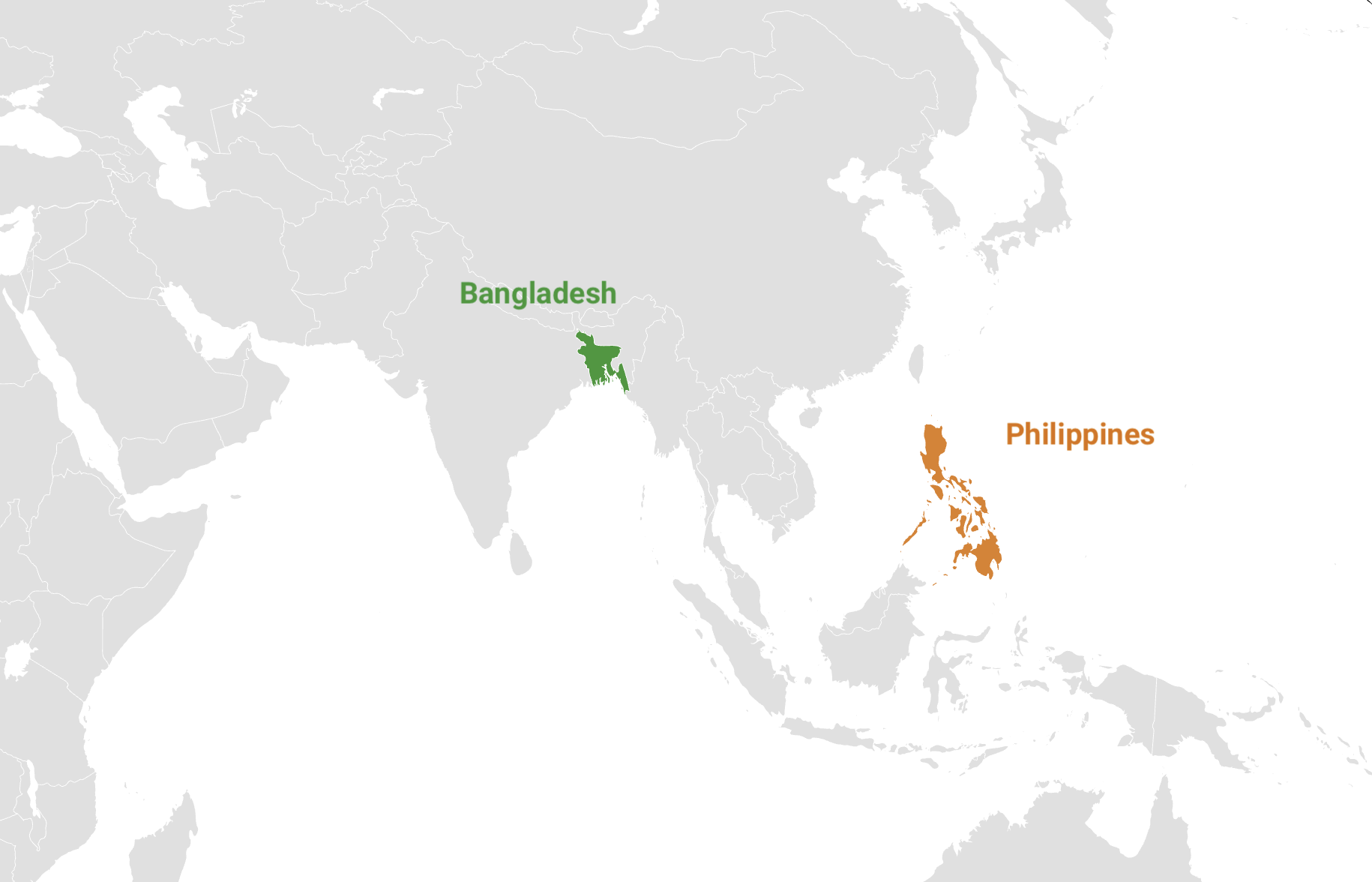
Photo Credit: MarginalCost, CC BY-SA 4.0, via Wikimedia Commons
In Asian countries such as Bangladesh and the Philippines, rice accounts for a larger percentage of intake, up to 70% of daily caloric intake. This accounts for most of the total caloric intake and there isn’t enough variation in the diet to ensure complete nutrition due to issues like food insecurity. In that case, food fortification is a sustainable, cost-effective approach to reducing vitamin and mineral deficiency.
Vitamin A deficiency (VAD)
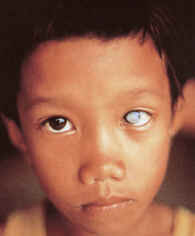
Blindness is an easily recognizable symptom of VAD, but it is only the most visible of a complex set of life-threatening illnesses. Photo Credit: goldenrice.org
Vitamin A is an essential fat-soluble micronutrient required for immune function, vision, cell differentiation, and reproduction. Vitamin A deficiency (VAD) remains a significant public health challenge across several parts of Asia, particularly in South Asia and regions of Southeast Asia like the Philippines. It is the leading global cause of preventable childhood blindness, and can silently degrade immune health, causing hundreds of thousands of children to die from common infections every single year.
This is where Golden Rice could be a powerful public health nutrition initiative.
What is Golden Rice?
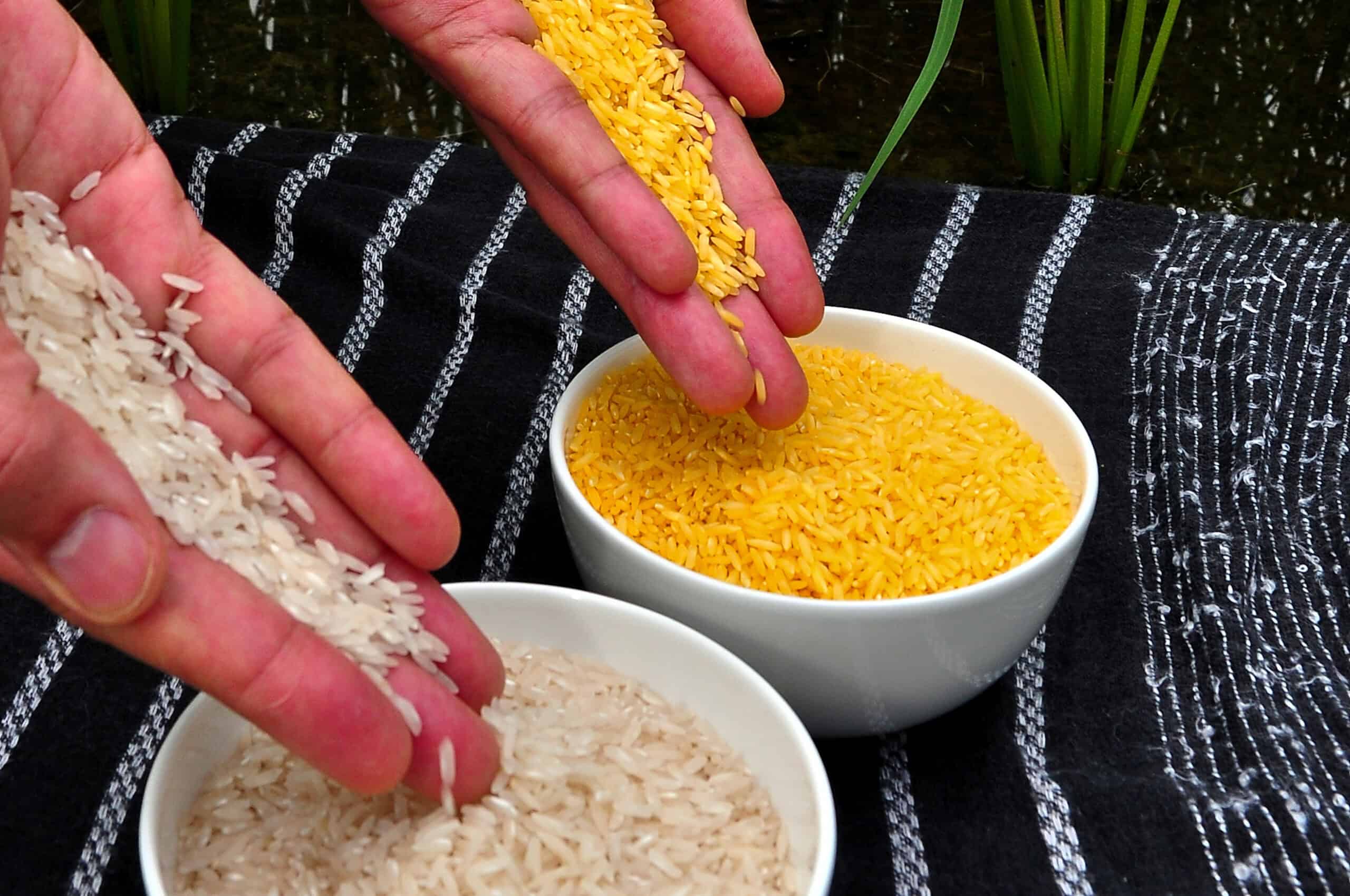
Photo Credit: International Rice Research Institute (IRRI), CC BY 2.0, via Wikimedia Commons
Golden rice is a biofortified variety of rice produced using genetic engineering. Biofortification is the process of increasing the nutritional value of food crops as they grow, offering a sustainable, long-term solution to global vitamin and mineral deficiencies. It can be done in many different ways such as traditional breeding or genetic engineering, as not all biofortification is genetic modification. Genetic modification is just another way to get to a standard breeding goal of increasing nutrition.
Unlike traditional fortification, where nutrients are added during food processing (like adding iodine to salt), biofortification embeds these vital nutrients directly into a plant’s seeds or roots using agricultural methods.
Genetic engineering allows scientists to introduce specific traits into plants, including the ability to produce specific vitamins or absorb minerals more efficiently.
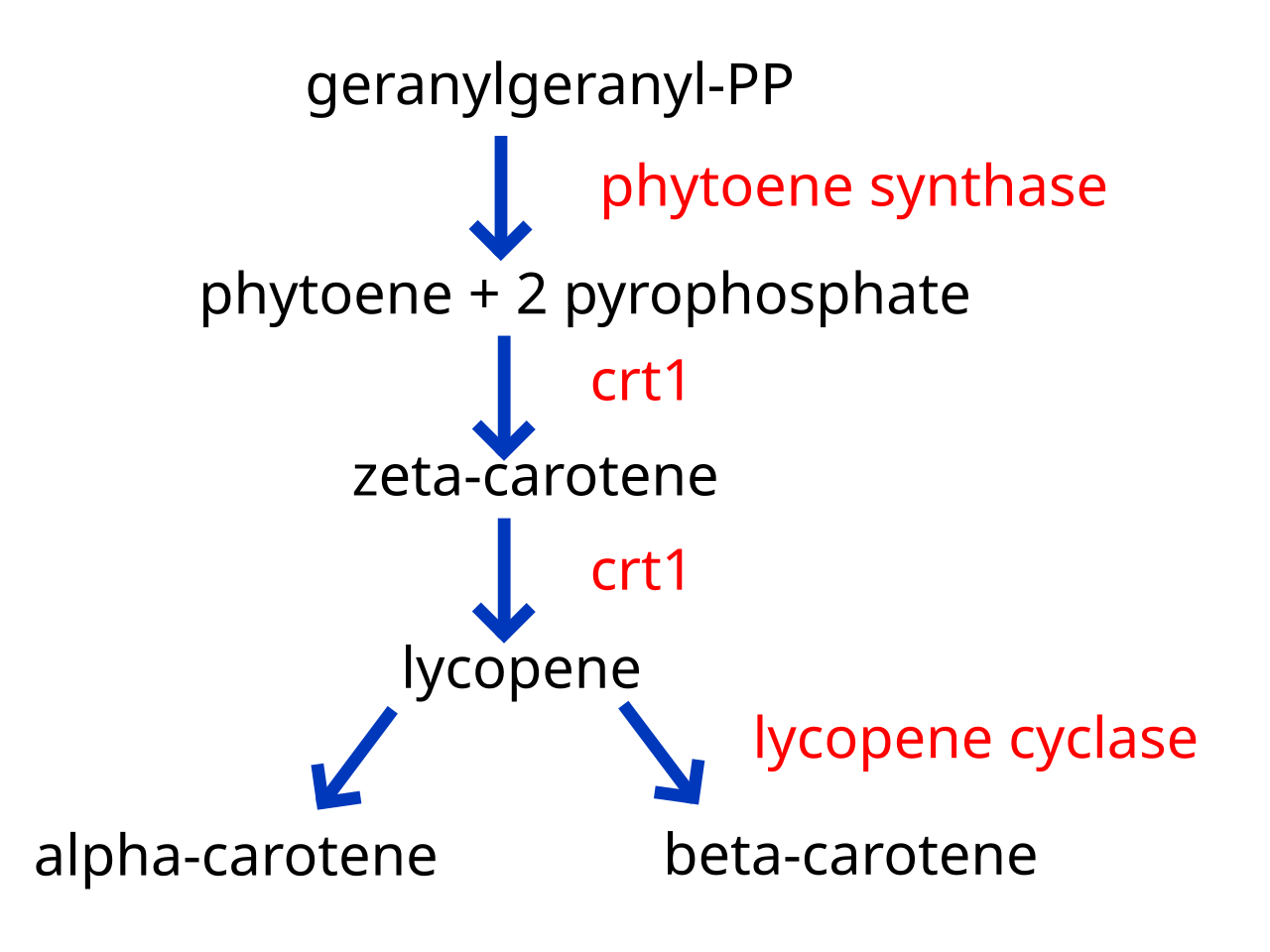
File:Carotenoid.jpg: created by en:user:Petaholmes, modified by Benoit.gallet
derivative work Smartse, CC BY-SA 3.0, via Wikimedia Commons
Golden Rice was developed as a philanthropic initiative to help address Vitamin A deficiency. In the original generation of Golden Rice, scientists inserted two genes (one from daffodils, one from a common soil bacterium) to reactivate the rice grain’s dormant ability to produce beta-carotene. Beta-carotene is the same pigment found in carrots, kabocha squash, and sweet potatoes, which our bodies naturally convert into Vitamin A. The second generation of Golden Rice, which received regulatory approvals uses a gene from maize and one from a bacterium.
Importantly, the technology was developed with a humanitarian goal rather than commercial profit in mind. Its developers made arrangements to allow resource-poor farmers in developing countries to access and grow Golden Rice royalty-free, ensuring the technology could benefit those who need it most.
Challenging the “Anti-GMO” Fear-Mongering Narrative
Let’s dismantle the standard wellness fear-mongering around genetically modified organisms (GMOs). In online wellness spaces, the word “GMO” is often thrown around as a scary buzzword meant to provoke fear rather than inform. Anti-GMO narratives frequently rely on appeal-to-nature fallacies, the mistaken belief that anything “natural” is inherently safe and anything engineered in a lab is toxic or dangerous.
Appeal-to-nature fallacies have appealed to me too in the past, especially as a new mom. The lure of the natural choice as being the best one for my twin toddlers has influenced me as well. This is only until I’ve been able to stop the emotional thought process to remind myself again to think critically.
When it comes to Golden Rice, this anti-GMO hysteria has had real-world consequences. GM opponents and fear-based campaigns have actively blocked and delayed the adoption of this biofortified crop engineered specifically to address Vitamin A deficiency. Debunking health myths requires separating food sensationalism from rigorous evidence: single-gene biofortification is not a mysterious poison, but a targeted, life-saving public health tool.

The Scientific & Regulatory Consensus
Despite noisy online claims, the global scientific consensus on Golden Rice is clear, overwhelming, and grounded in rigorous empirical data. Major international and national regulatory bodies tasked with protecting public food safety have thoroughly reviewed the evidence:
- Health Canada: Completed a comprehensive safety assessment and approved Golden Rice as safe for human consumption and food supply.
- US Food and Drug Administration (FDA): Reviewed safety and compositional data and concluded that food derived from Golden Rice does not raise safety concerns.
- Food Standards Australia New Zealand (FSANZ): Evaluated safety assessments, scientific literature, and dietary exposure models, granting full approval after finding no safety risks.
These agencies operate independently using rigorous, evidence-based safety standards to evaluate toxicological data, allergenicity risk, and gene stability before issuing any approval.
Key Findings on Safety and Composition
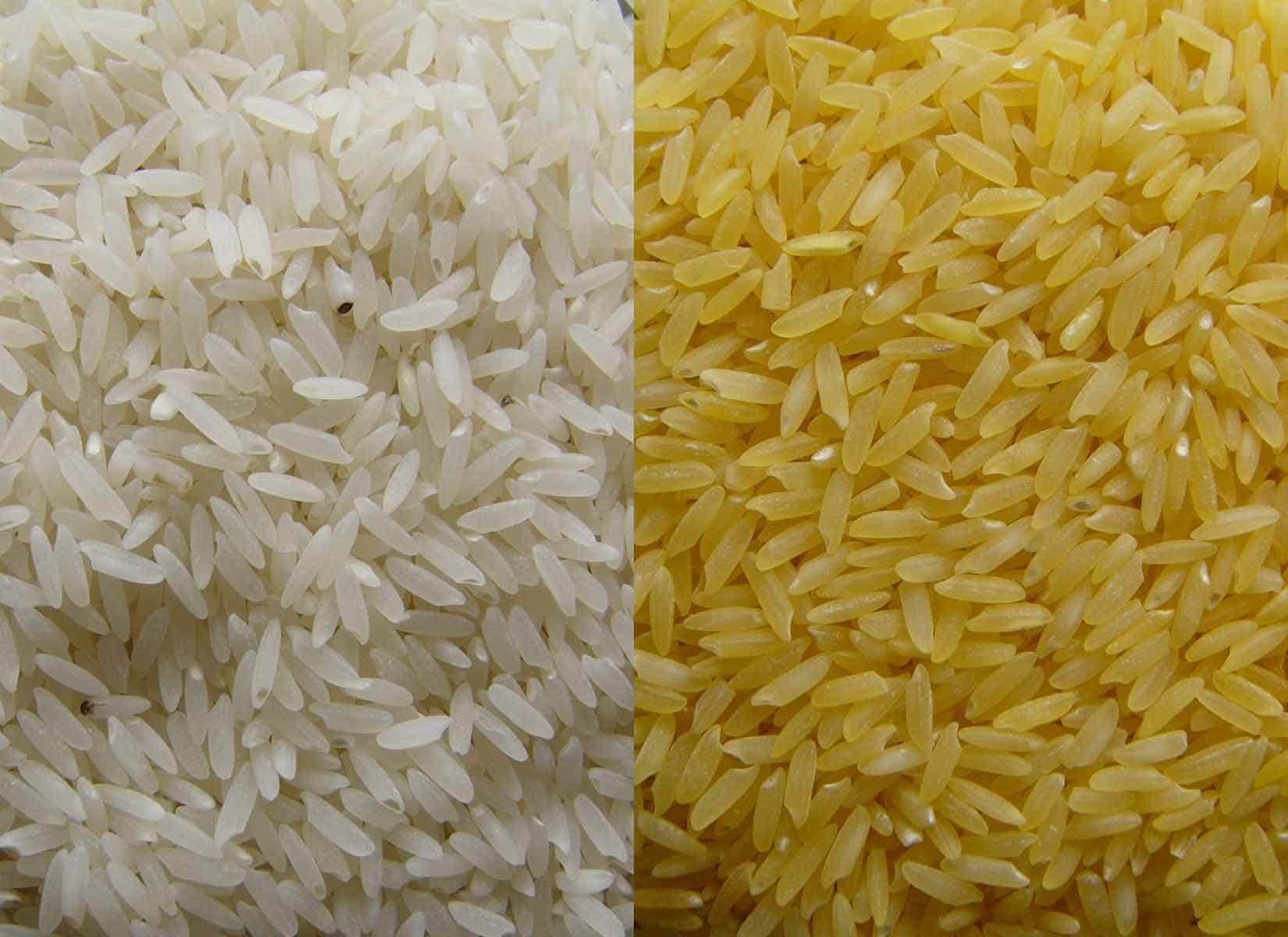
Photo Credit: goldenrice.org
Following rigorous evaluations, regulatory authorities formally concluded that Golden Rice:
- Is Completely Safe & Non-Toxic: Extensive toxicity testing shows no hazardous metabolites, toxic effects, or unintended changes to plant chemistry.
- Is Non-Allergenic: The proteins introduced to facilitate beta-carotene synthesis (originally derived from daffodils and soil bacteria) show no structural similarity to known human allergens and break down quickly during digestion.
- Is Nutritionally Identical to Conventional Rice (Except for Beta-Carotene): Detailed compositional analysis confirmed that Golden Rice matches traditional white rice in essential nutrients, proteins, fats, carbohydrates, minerals, and overall nutritional profile with the intentional exception of biosynthesizing beta-carotene (provitamin A) in the edible grain.
Holding Two Truths at Once
Food and agriculture topics are often more complicated than they seem. Online conversations can make it feel like you have to pick a side, but there’s usually more to the story. Being informed means asking questions, looking at the evidence and considering different perspectives. Rather than judging an idea based on labels or who supports it, take the time to understand the facts and make up your own mind.
Photo by no one cares on Unsplash
As with any emerging technology, questions about how it is developed and used are worth discussing, alongside what the science tells us about its potential benefits. Agricultural innovation expands the options available to farmers, rather than determining which approaches they must use. Ultimately, farmers should have access to a range of technologies and the freedom to choose what best suits their needs, priorities and growing conditions.
Progress isn’t about picking a team; it’s about evaluating the data rigorously while ensuring technology serves human well-being rather than corporate profit.
The Takeaway
Food literacy isn’t just about understanding macronutrients and having food prep and cooking knowledge. True food literacy is about context, compassion, and critical thinking.
Golden Rice sits at the complex intersection of cultural identity, public health necessity, structural politics, and rigorous science. It challenges us to look beyond simplistic headlines, reject fear-based wellness marketing, and appreciate the nuanced interplay between human health and food systems.
Closing Thought
To truly “decolonize wellness,” we cannot rely on top-down assumptions or Internet dogma. We must listen humbly to the communities impacted on the ground, respect their local governance, and keep our health decisions firmly anchored in rigorous, peer-reviewed data. Golden Rice has the potential to address a serious nutritional deficiency, and communities deserve the opportunity to benefit from that innovation.
Join the Conversation & Get Your Free Resource
I want to hear from you. How does your family cultivate dialogue between tradition and science at the dinner table? Have you ever felt caught between cultural heritage foods and modern nutrition advice? Drop your thoughts and personal stories in the comments below!
👇 Free Resource Download 👇
Looking to nourish your body with balanced, traditional flavours? Download my free Healthy Asian Food Meal Planner to get a free customizable plan to fit your everyday lifestyle.
Click Here to Download Your Free Healthy Asian Food Meal Planner
0 Comments